Cappuccino Coffee Font Review for Brand Designers
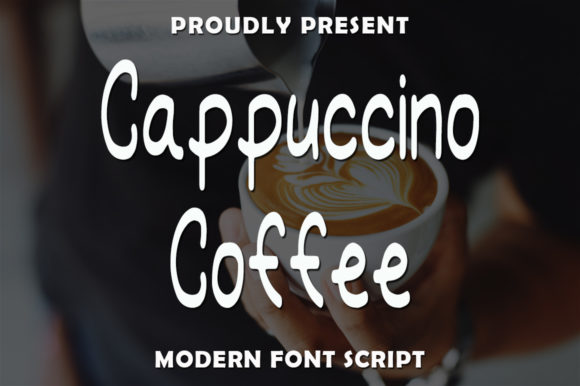
I was staring at a blank brand board for a local artisanal bakery last Tuesday, trying to capture that specific feeling of warmth and homemade comfort without falling into the trap of cliché rustic aesthetics. That is when I pulled up Cappuccino Coffee, a Script Handwritten typeface that immediately changed the trajectory of the project. As one of those versatile Fonts that bridge the gap between playful and professional, it offered exactly the sweet and round lettered handwritten font character the client needed. Testing it in this real-world scenario allowed me to see how its natural and unique style makes it incredibly fitting to a large pool of designs, from packaging labels to digital headers.
Why Cappuccino Coffee Works for Boutique Logo Design
When you are working on a logo concept, the stroke weight and terminal shapes define the entire personality of the brand. Cappuccino Coffee stands out among other Script Handwritten options because it avoids the sharp, aggressive edges found in many modern calligraphy fonts. Instead, it offers soft, rounded terminals that feel approachable and friendly. In my recent test, I placed this font as the primary logotype for a skincare line focused on organic ingredients. The result was immediate visual harmony. Unlike stiff serif font choices or cold sans serif font alternatives, this handwritten font conveyed trust and gentleness instantly. It functions beautifully as a display font, holding its own even when scaled down for small business cards or scaled up for storefront signage. For designers seeking a premium font that feels authentic rather than manufactured, this typeface delivers a consistent and recognizable mark.
Enhancing Packaging Design with Natural Handwritten Appeal
Packaging design is where typography meets tactile experience, and Cappuccino Coffee shines in this arena. I applied the font to a mockup for a specialty coffee bag, pairing it with a clean, minimal sans serif font for the nutritional information and weight details. The contrast was striking. The Script Handwritten nature of the title created a focal point that drew the eye, while the supporting text maintained readability. This font is not just about aesthetics; it influences brand perception by suggesting craftsmanship and care. When used on product labels, the roundness of the letters mimics the organic shapes found in nature, making it an excellent choice for food, beverage, and handmade goods. It acts as a powerful accent font, ensuring that the product stands out on crowded shelves without screaming for attention. If you are building a brand identity that relies on emotional connection, this creative font provides the necessary visual warmth.
Using Cappuccino Coffee in Social Media and Web Headers
Digital spaces require fonts that load quickly and render clearly across various devices, and Cappuccino Coffee performs reliably as a webfont in header sections. I tested it on a homepage hero section for a creative studio, using it for the main headline. The natural flow of the letters creates a sense of movement that keeps the viewer engaged. In social media graphics, particularly for Instagram stories or Pinterest pins, this handwritten font adds a personal touch that generic modern typography often lacks. It works exceptionally well for short phrases, quotes, or promotional announcements where impact is more important than lengthy explanation. However, it is crucial to remember that this is a display font. It should not be used for body text or long paragraphs, as the connected strokes can reduce readability at smaller sizes. By reserving it for headlines and key visual elements, you maintain a strong visual hierarchy that guides the user’s eye effectively.
Pairing Strategies for Balanced Brand Identities
A common mistake designers make is pairing two decorative fonts, which leads to visual chaos. Cappuccino Coffee requires a stable partner to anchor its playful energy. In my branding projects, I have found success pairing this Script Handwritten font with geometric sans serif fonts or neutral serif font choices. The simplicity of the secondary typeface allows the unique style of Cappuccino Coffee to breathe. For editorial design, such as a magazine spread or a lookbook, use it for chapter titles or pull quotes, while relying on a highly readable serif font for the article text. This combination ensures professionalism while retaining creativity. When building a complete design assets library, consider how this font interacts with your color palette and imagery. Its warm tones complement earthy colors, pastels, and deep neutrals, making it a flexible tool for diverse aesthetic directions.
Practical Limitations and Licensing Considerations
While Cappuccino Coffee is incredibly fitting to a large pool of designs, it is not a universal solution. Avoid using it for corporate legal documents, technical manuals, or any context requiring strict formal tone. Its strength lies in its casual, inviting nature, which can undermine authority in serious sectors like finance or law. Before finalizing any client work, always test the font at various sizes to ensure legibility. Additionally, review the included styles and file formats to confirm they meet your technical needs, such as webfont availability for online projects. Most importantly, check the commercial font licensing terms. Whether you are using it for merchandise, print-on-demand products, or a full brand identity system, understanding the license ensures you protect both yourself and your client. This attention to detail separates amateur designers from experienced professionals who value sustainable and legal creative practices.
In conclusion, if you are looking for a Fonts option that brings warmth and personality to your projects, Cappuccino Coffee is a strong contender. Its sweet and round lettered handwritten font style offers a distinct advantage in creating memorable brand identities. From packaging design to social media graphics, it proves that a well-chosen typeface can elevate simple layouts into compelling visual stories. Download it, test it in your next realistic branding case, and see how its natural charm can transform your design workflow.